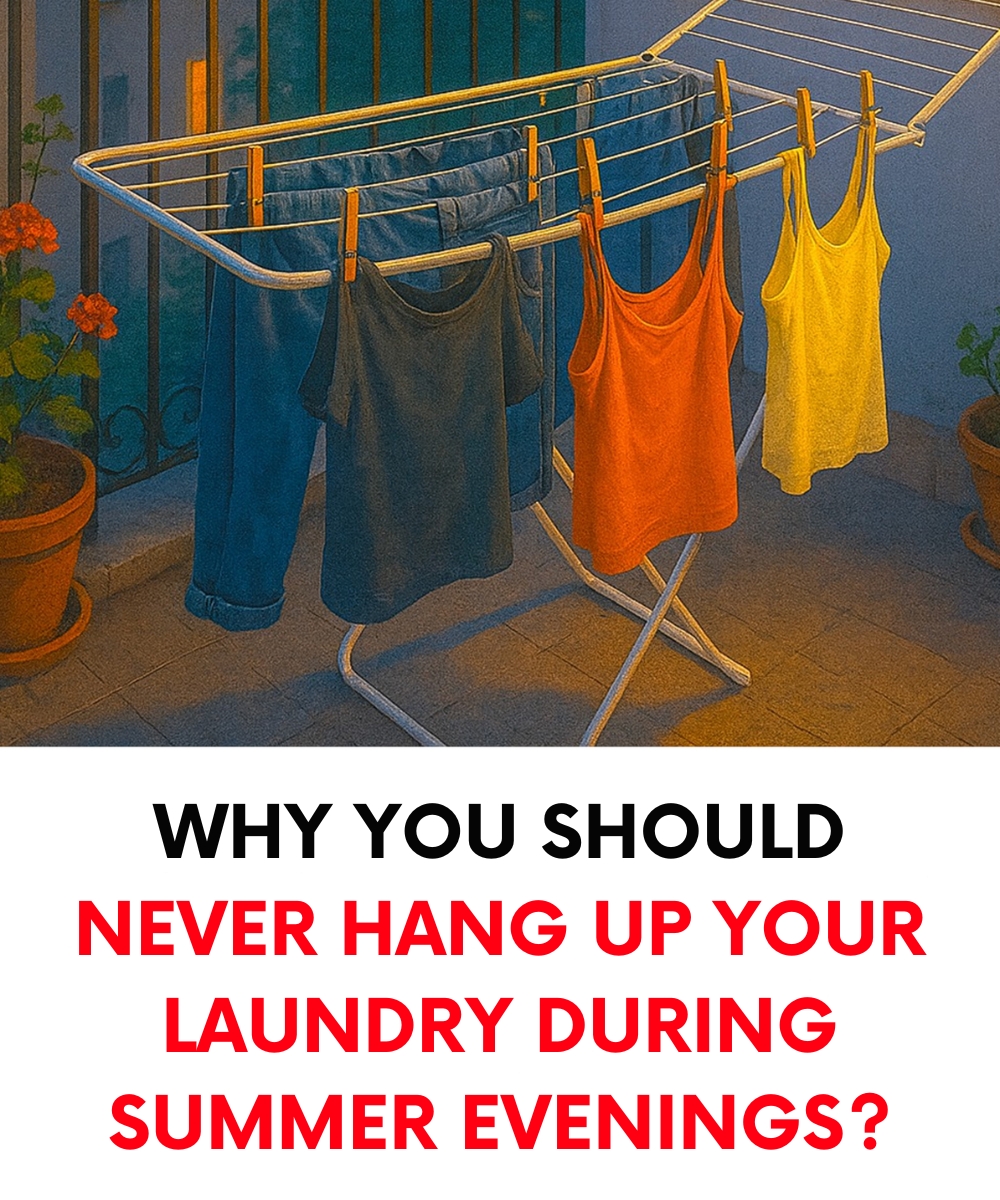
When the temperature climbs and the sun blazes overhead, hanging your laundry out in the evening might seem like a smart choice—cooler weather, a light breeze, and fewer bugs.
But while it may appear convenient, drying clothes at night comes with hidden downsides that can turn your clean linens into sources of bad odors. So, is evening drying really a good idea? Let’s break it down.
Hidden Moisture: Your Laundry’s Worst Enemy
It’s easy to forget that summer nights aren’t always dry. As soon as the sun sets, humidity levels often surge, sometimes climbing to 80% or more. While the air might still feel warm, it doesn’t mean your clothes will keep drying.
In fact, the increased moisture in the air slows down the drying process. This lingering dampness creates the perfect environment for bacteria and mold to thrive.
That Fresh Laundry Smell? Maybe Not

Bugs and Pollen: The Unexpected Guests
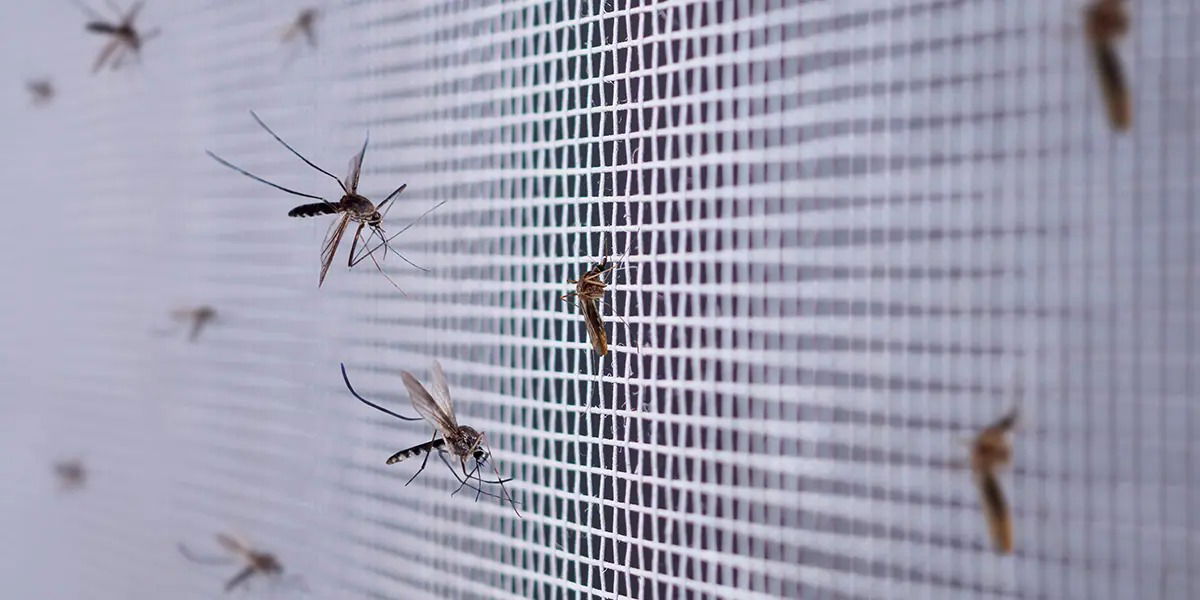
You’re not the only one out enjoying summer evenings—so are the insects. Night-flying bugs like moths and mosquitoes may settle right onto your damp clothes.
That’s bad news for people with sensitive skin or respiratory allergies.
A False Time Saver
It’s easy to assume that putting laundry out in the evening is more efficient. But if it doesn’t dry properly overnight, you’ll need to leave it out even longer the next day.
Worse, some garments may become stiff or develop tough creases if they sit damp for too long.
The Ideal Time for Drying Clothes in Summer

So, when is the best time to dry your clothes during hot weather? Luckily, you don’t need a major lifestyle overhaul—just a small shift in timing:
Early morning (7 a.m. to 10 a.m.) is ideal: the temperature is still comfortable, and the rising sun helps dry clothes quickly without being too harsh.
Late morning is also a good choice if you want your laundry to dry before noon.
Avoid midday heat (12 p.m. to 4 p.m.), especially if you’re drying colored clothing. Direct sun can cause certain colors to fade faster.
If evenings are your only option, consider indoor drying in a well-ventilated space. Use a fan or dehumidifier to help circulate air and speed up the process.
In short, while evening drying seems tempting during the summer, it often causes more problems than it solves.
By simply tweaking your drying schedule, you can keep your laundry smelling fresh, avoid mold, and save both time and effort.